Opening the monograph…
Technology, Cyber & AI
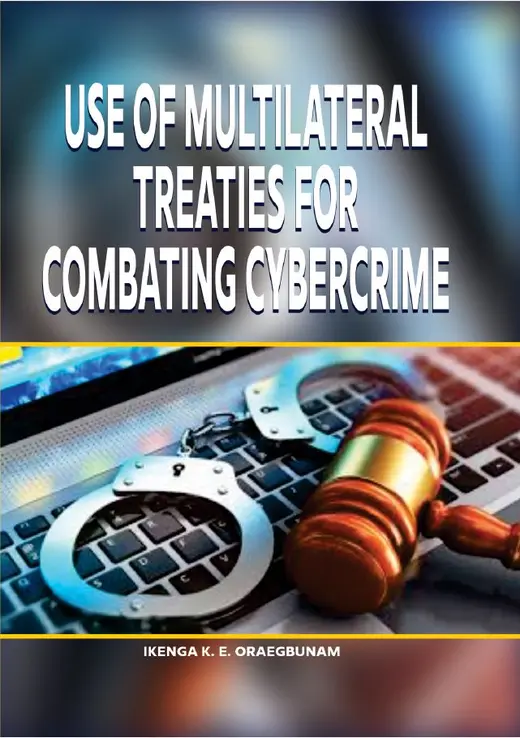
Use of Multilateral Treaties for Combating Cybercrime
About the monograph
The increasing reliance on digital technologies has led to a surge in cybercrime, posing complex challenges that transcend national borders. Cybercrime encompasses a wide range of criminal activities that are carried out using digital devices and/or networks. This study critically appraises the use of multilateral treaties as tools for combating cybercrime, focusing on their effectiveness in addressing transnational cybercrime, as well as limitations, and prospects. The study examines key international instruments such as the Budapest Convention on Cybercrime, the African Union's Malabo Convention, and the ongoing UN initiatives, assessing their roles in promoting legal harmonization, cross-border cooperation, and effective prosecution of cybercriminals. Adopting a doctrinal research methodology, the study analyzes treaty provisions to identify strengths, gaps, and emerging trends. Findings reveal that despite notable progress, multilateral treaties are often limited by jurisdictional conflicts, uneven participation, disparities in legal frameworks, cybercrime innovation and weak enforcement mechanisms. The author submits conclusively that notwithstanding these challenges, the international community relies heavily on multilateral treaties as a legal mechanism in the global fight against cybercrime, and recommends amongst others, for legal harmonization, a periodic review of existing treaties, streamlined mutual legal assistance, and the establishment of an international cybercrime tribunal.
Cite this book
Ikenga K. E. Oraegbunam, Use of Multilateral Treaties for Combating Cybercrime (University of Lagos Press, 2025), ISBN 978-978-63369-2-3.
Free preview
First 4 pagesLoading page…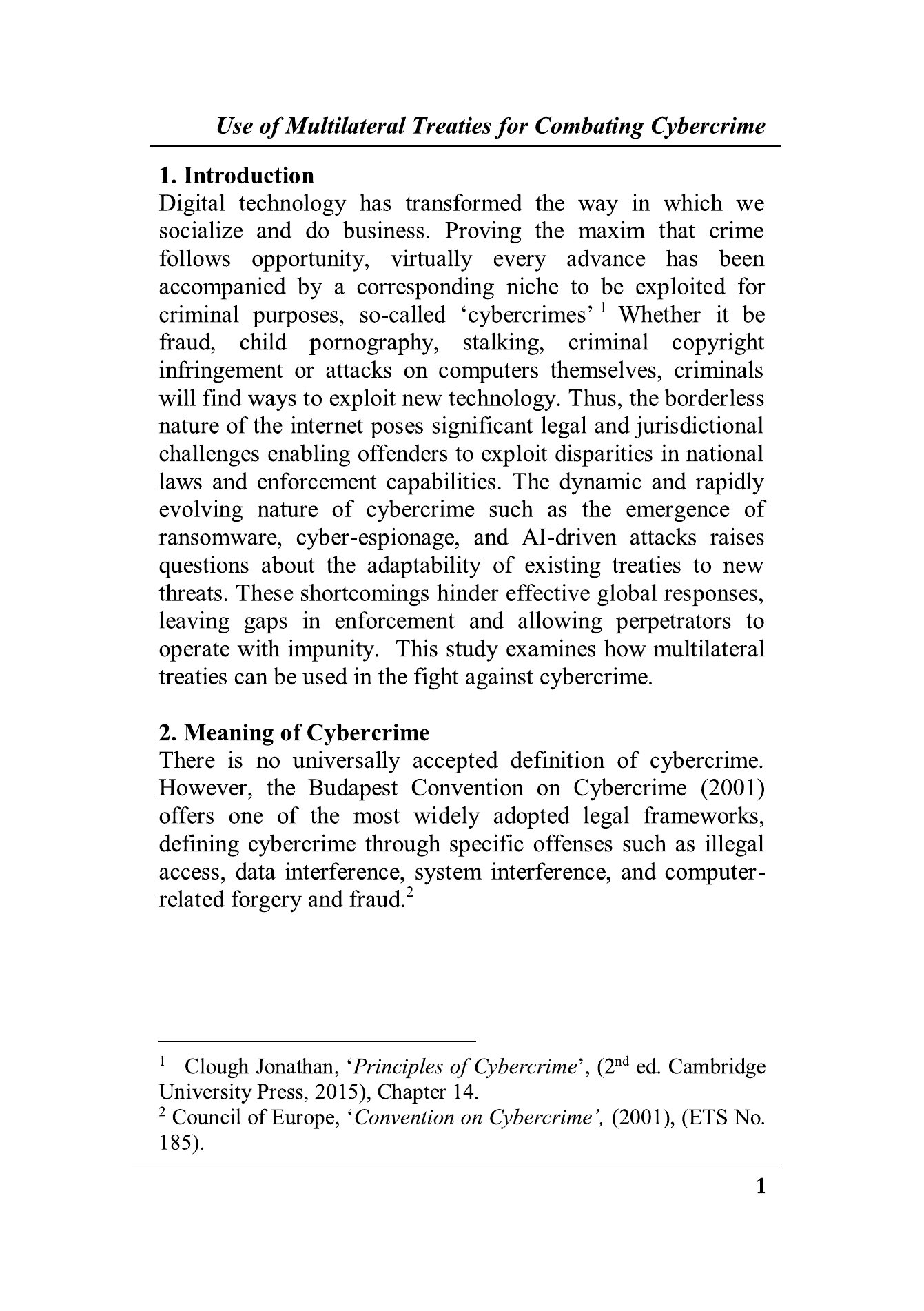
Loading page…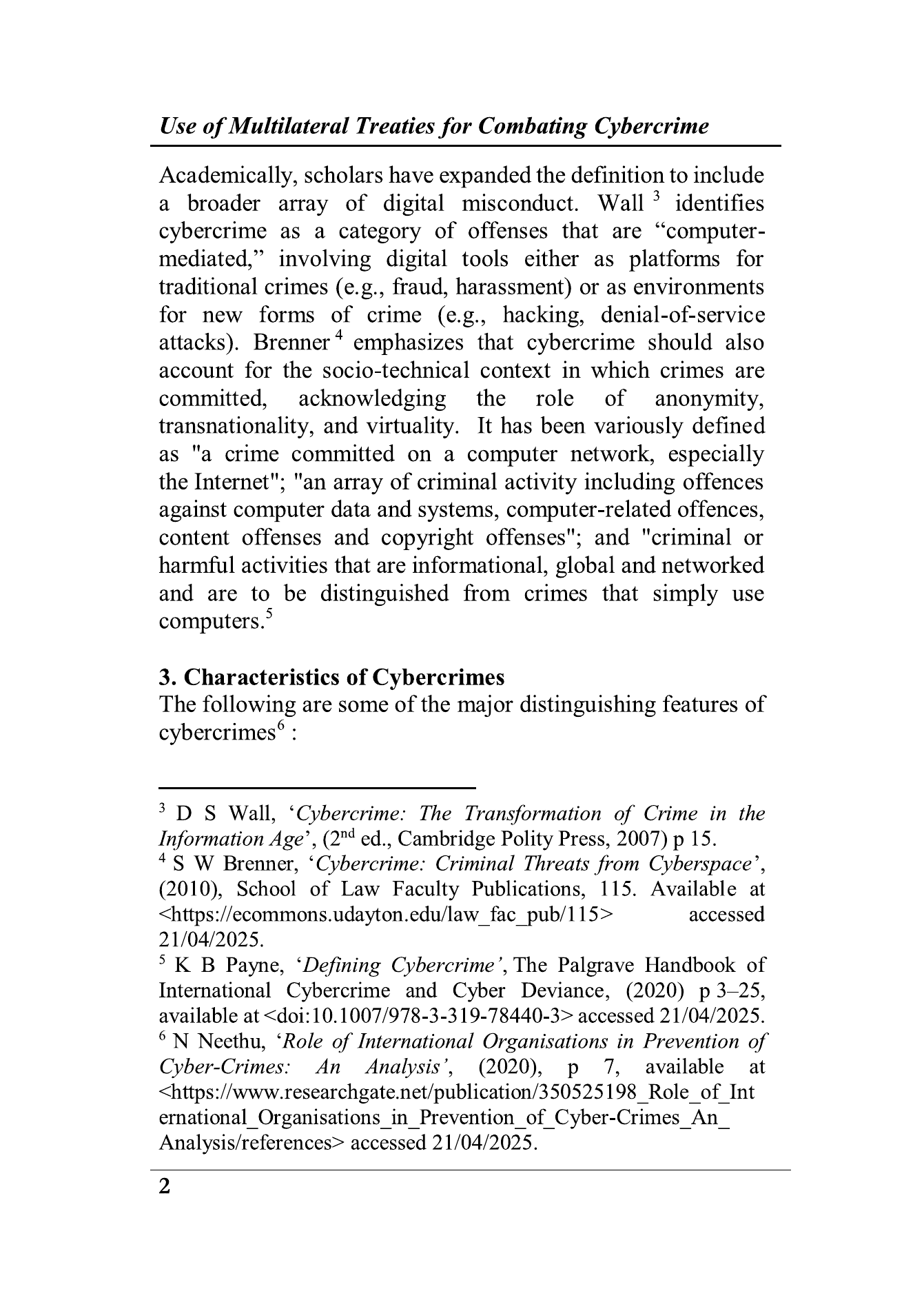
Loading page…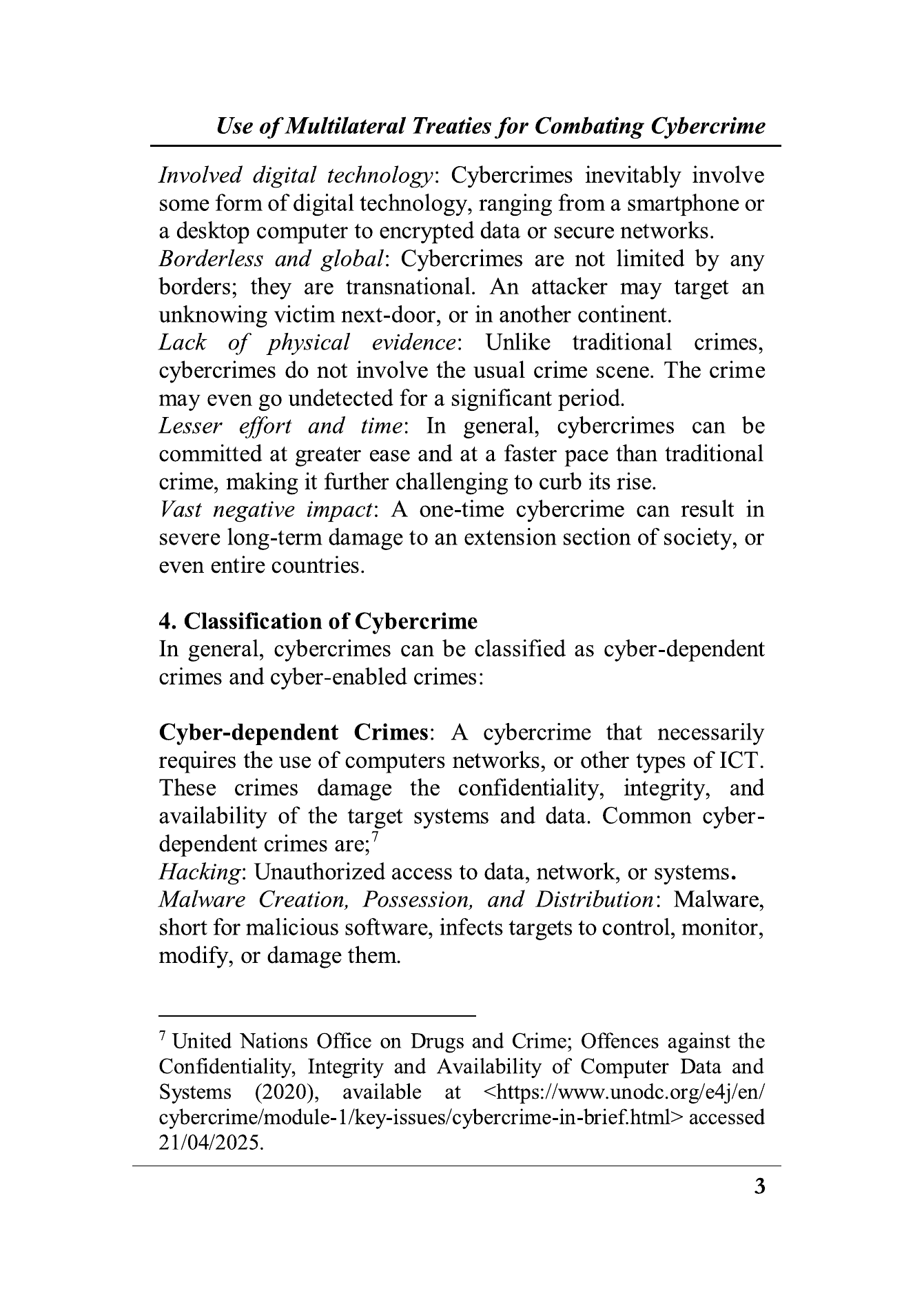
Loading page…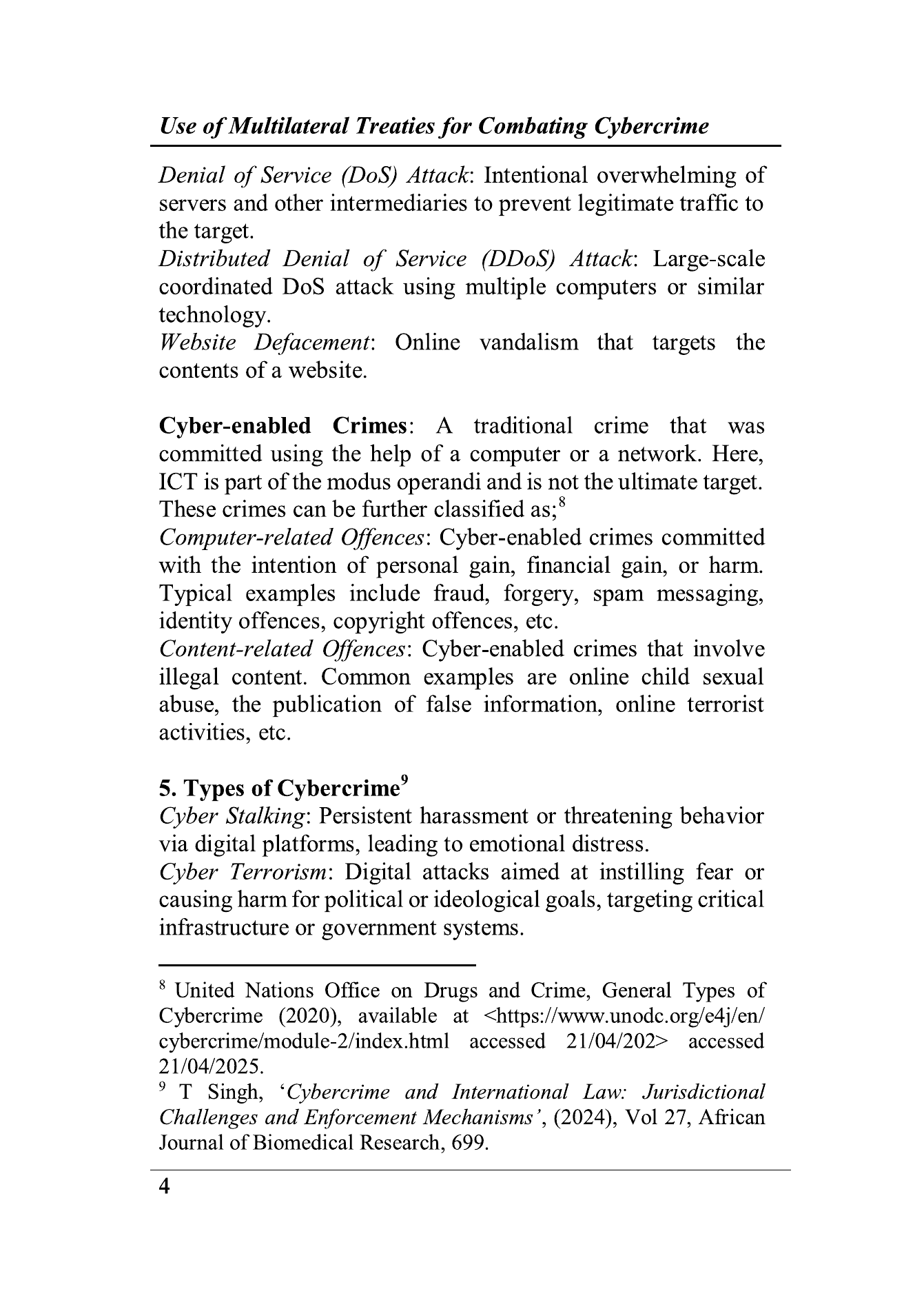
Keep reading
That was the free preview. 26 more pages in the full monograph, yours as a PDF for ₦7,000.